

The concept of a "holiday" has fundamentally shifted during the last decade. It has transitioned from a short, annual event—typically a week or two at a beach resort—into a sustainable, year-round lifestyle. This trend, often termed " lifestyle holiday," prioritizes constant travel and discretion as a principal way of life rather than short-term escape.
Pushed by the rise of remote function and a change in retirement goals, individuals are significantly seeking flexible travel alternatives that allow them to reside nomadically or semi-nomadically. But what does the info suggest relating to this shift, and why are so many opting for freedom over traditional vacation house control?
Why is the vacation life style increasing acceptance?
Recent developments suggest a transfer far from material advantage deposition toward experience-based living. Market examination suggests that modern tourists are prioritizing variety and freedom. The traditional model of investing in a single vacation house locks a person into one area, one environment, and a persistent set of preservation responsibilities.
On the other hand, Vacation Lifestyle Residing is made on the conclusion of mobility. By employing variable vacation options—such as for instance long-term rentals, membership journey groups, or house-swapping networks—travelers can follow sunlight, explore new countries, and steer clear of the stagnation of visiting the same location repeatedly. This process aligns with broader customer conduct shifts wherever accessibility is valued more than ownership.
How can variable travel lower economic liability?
One of the most powerful fights for flexible vacation choices is financial prudence. Property statistics consistently show that the expense related to sustaining another property—including home fees, insurance, resources, and sudden repairs—may considerably erode a pension budget or disposable income.
Adopting a flexible journey technique eliminates these "dormant costs." Travelers only pay for the accommodation they use, once they use it. That design allows for a better allocation of funds, ensuring a budget is used on real activities, dining, and exploration as opposed to boiler fixes or gardening bills for home that sits empty for weeks at a time.
What describes the modern variable tourist?
While historically associated with retirees ("snowbirds"), the demographic for Holiday Lifestyle Residing has expanded.
• Effective Retirees: That party is healthier and more effective than prior years, seeking experience fairly than just relaxation.
• Digital Nomads: With the normalization of distant work, specialists are decoupling their money from the fixed place, letting them reside in "vacation mode" while sustaining their careers.
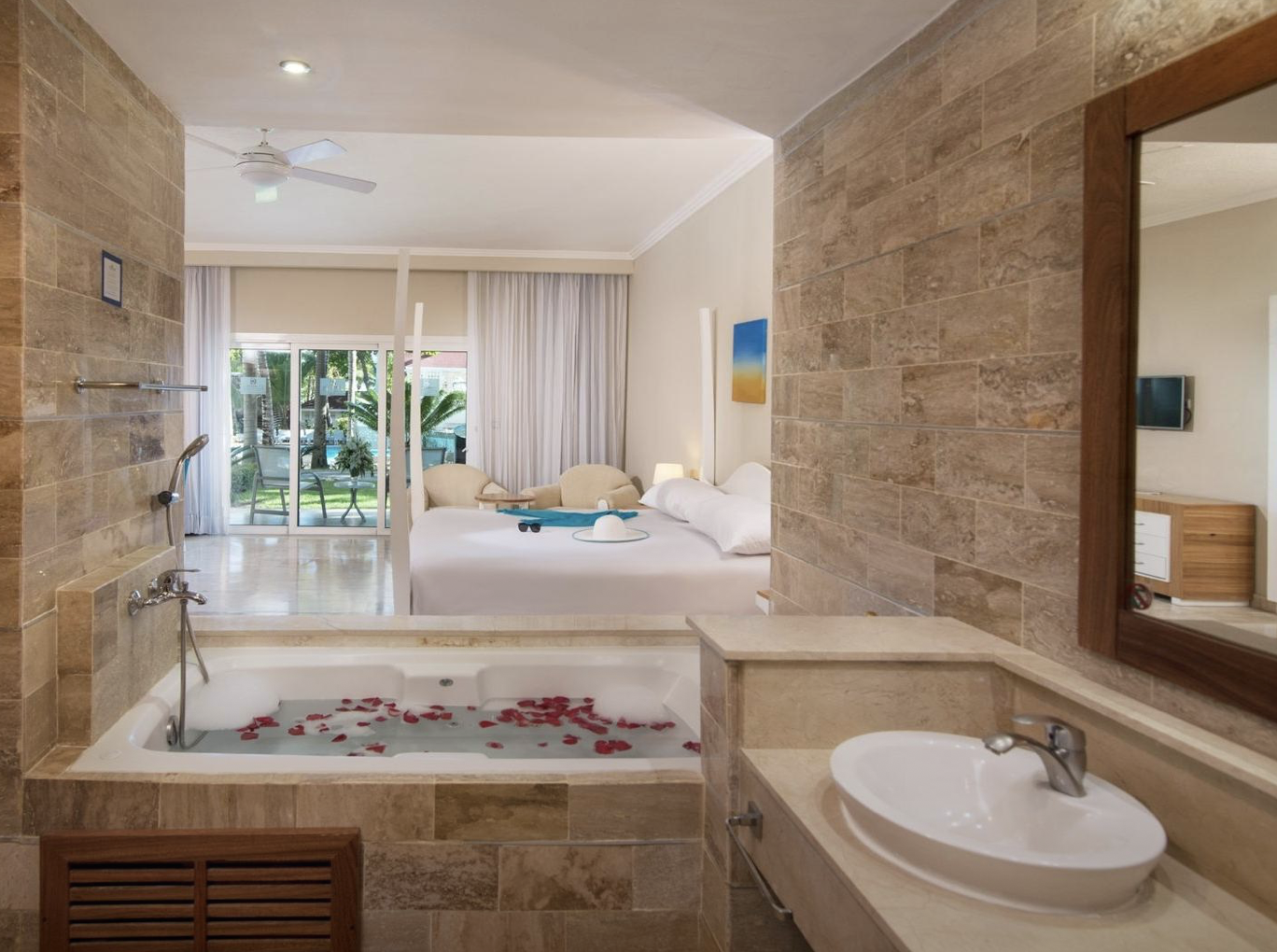
• Multi-Generational People: Families are increasingly searching for large-format, flexible accommodation that allows lengthy communities to gather in different places each year minus the logistical pain of lodge bookings.
Is flexibility the continuing future of leisure?
The firm structures of standard tourism are breaking down. The ongoing future of discretion is based on the ability to pivot—to improve places predicated on temperature habits, political stability, or particular preference without the heavy point of property ownership.
Vacation Lifestyle Managing flexible vacation alternatives provides a sophisticated means to fix the current need for freedom. It allows persons to curate a living full of diverse experiences, unburdened by the logistical and economic loads of the past. Whilst the journey market continues to adjust to these demands, we could expect you'll see a lot more progressive alternatives that prioritize the traveler's liberty most importantly else.